


Engagement rings are more than just jewelry—they are symbols of love, commitment, and personal style. Over the years, the diamond industry has evolved dramatically, with new cuts, designs, and ethical considerations shaping buyers’ choices. Among these, pear-shaped engagement rings have emerged as a favorite for couples seeking elegance and individuality. When paired with man-made diamonds, these rings combine timeless beauty with modern innovation, offering both aesthetic appeal and ethical assurance.
What is a Pear-Shaped Engagement Ring?
A pear-shaped diamond, sometimes referred to as a teardrop diamond, is a hybrid cut that combines the best elements of the round brilliant and the marquise shapes. Its signature feature is a rounded end on one side and a pointed tip on the other, creating a unique, elongated silhouette. This shape first gained popularity in the 15th century when its innovative cut was said to resemble a dewdrop glistening in the morning sun.
Unique Characteristics of Pear Cuts
- Elongating Effect: Pear-shaped diamonds are naturally lengthening and can make fingers appear slimmer and more elegant.
- Versatility: This cut works well in various ring settings, from solitaire and halo to three-stone and vintage designs.
- Distinctive Sparkle: When cut properly, pear-shaped diamonds exhibit remarkable brilliance due to their combination of facets from both round and marquise cuts.
- Symbolism: The teardrop shape is often associated with tears of joy or the unique beauty of individuality, pear engagement rings, making it a meaningful choice for engagement rings.
However, pear cuts require careful consideration of symmetry and proportion. The point must align with the center of the ring’s setting, and the tip should be protected with a prong to prevent chipping. These details are essential to maximize the stone’s brilliance and longevity.
The Rise of Man-Made Diamonds
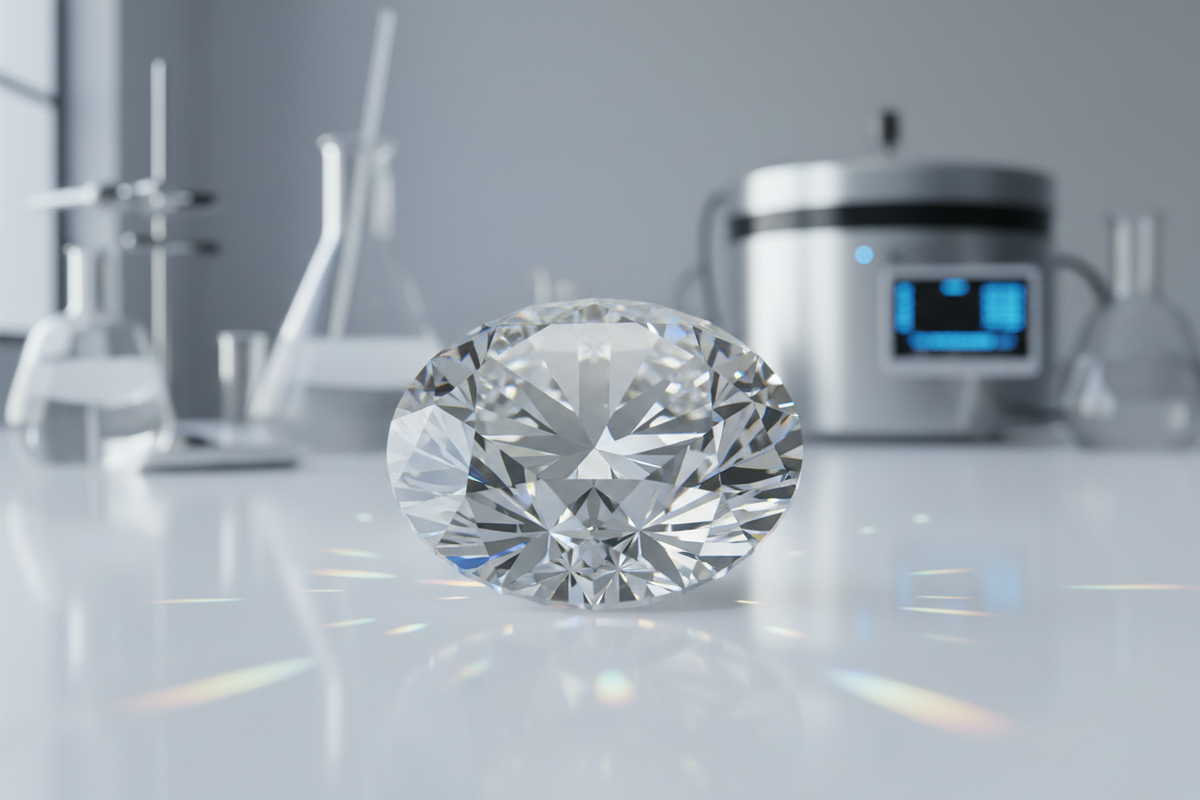
Traditionally, engagement rings have been synonymous with natural diamonds. But the 21st century has witnessed the rise of man-made diamonds, also known as lab-grown or synthetic diamonds. These stones are chemically, physically, and optically identical to mined diamonds, but they are created in controlled laboratory environments using cutting-edge technology.
How Man-Made Diamonds Are Created
There are two primary methods for producing man-made diamonds:
- High Pressure High Temperature (HPHT): This method simulates the natural conditions deep within the Earth, applying high pressure and high temperature to carbon to form diamonds.
- Chemical Vapor Deposition (CVD): In this method, carbon-rich gas is used to deposit diamond layers on a substrate in a controlled environment. This allows for precise control over size, color, and quality.
Benefits of Man-Made Diamonds
- Affordability: man made diamonds are typically 20-40% less expensive than their mined counterparts, making them an attractive option for budget-conscious buyers.
- Ethical and Sustainable: Lab-grown diamonds avoid the environmental degradation and human rights concerns sometimes associated with traditional mining.
- High Quality: Modern technology allows for the creation of diamonds with fewer inclusions and better color, often rivaling or exceeding the quality of natural diamonds.
- Transparency: Buyers can easily trace the origin and production process of a lab-grown diamond, providing peace of mind and confidence in their purchase.
Why Choose a Pear-Shaped Man-Made Diamond Engagement Ring?
Combining the elegance of a pear-shaped cut with the modern ethics of man-made diamonds offers a compelling proposition for contemporary couples. Here’s why:
1. Unique Aesthetic
Pear-shaped diamonds are distinctive, striking, and less common than round or princess cuts. When paired with the clarity and brilliance of lab-grown diamonds, the result is an engagement ring that is both eye-catching and sophisticated.
2. Personalized Expression
Engagement rings are deeply personal, and the pear shape lends itself to individuality. From the length of the teardrop to the style of the setting—whether halo, solitaire, or split-shank—there are countless ways to customize the design. Lab-grown diamonds further enhance this flexibility, as buyers can select stones that perfectly match their desired size, color, and clarity without excessive cost.
3. Eco-Conscious Choice
For couples committed to sustainability, choosing a lab-grown pear-shaped diamond can minimize environmental impact. Unlike mined diamonds, lab-grown diamonds require far less water, energy, and land disruption, making them a more environmentally responsible choice.
4. Investment in Quality
Thanks to modern production methods, lab-grown diamonds often have fewer inclusions and defects than mined diamonds. For pear-shaped cuts, which are prone to chipping at the tip, this high-quality craftsmanship is crucial. Protective settings, such as V-prongs or halo designs, further ensure durability without sacrificing elegance.
Popular Settings for Pear-Shaped Engagement Rings
- Solitaire Setting: Classic and timeless, the solitaire setting allows the pear-shaped diamond to take center stage.
- Halo Setting: A halo of smaller diamonds around the pear-shaped center enhances brilliance and creates the illusion of a larger stone.
- Three-Stone Setting: Symbolizing the past, present, and future, three-stone rings offer a meaningful design that pairs beautifully with the elongated pear shape.
- Vintage-Inspired Settings: Intricate milgrain and filigree designs complement the pear shape, adding old-world charm and sophistication.
Tips for Buying Pear-Shaped Man-Made Diamonds
- Prioritize Symmetry: The pear shape must be symmetrical to ensure maximum brilliance. Look for diamonds with even, balanced proportions.
- Check the Bow-Tie Effect: Pear-shaped diamonds can show a “bow-tie” shadow across the center. Inspect this carefully, as a subtle bow-tie enhances beauty, while a prominent one may detract.
- Consider Finger Shape: Pear-shaped diamonds look best on longer fingers, as the elongated cut accentuates elegance.
- Choose Protective Settings: The pointed tip is delicate. Settings with prongs or bezels can prevent chipping and ensure longevity.
- Understand Certification: Lab-grown diamonds should come with certification from reputable labs like GIA or IGI, verifying the cut, clarity, color, and carat weight.
The Future of Engagement Rings
As more couples prioritize ethics, sustainability, and individuality, pear-shaped man-made diamond rings are poised to become increasingly popular. They marry classic elegance with modern values, offering a unique statement that resonates with both tradition and contemporary conscience.
Man-made diamonds also open doors for creative experimentation. Jewelers can create larger stones without the astronomical cost of mined diamonds, enabling bold designs, unusual colors, and intricate cuts that were once reserved for the elite.
Conclusion
Pear-shaped engagement rings symbolize more than style—they convey elegance, personality, and love. When paired with man-made diamonds, they reflect a commitment to quality, ethical responsibility, and forward-thinking values. From their distinctive teardrop shape to the brilliance of lab-grown stones, these rings are the perfect choice for couples seeking beauty, sustainability, and individuality.
Choosing a pear-shaped man-made diamond engagement ring is not just a purchase; it’s a statement of love that balances tradition with innovation, creating a timeless piece that will be cherished for generations.