

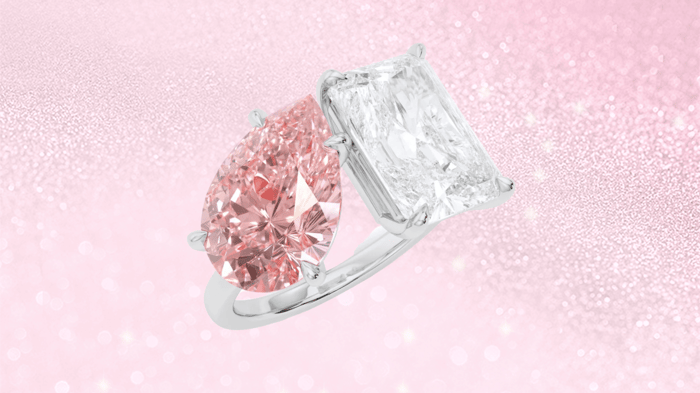
The appeal of diamonds has charmed humanity for centuries. Known for their brilliance, rarity, and symbolic value, diamonds have traditionally been mined from deep within the Earth. Still, the rise of technology has introduced a revolutionary option: lab grown diamonds. These stones, created in controlled environments, offer the same visual and chemical properties as natural diamonds but with added ethical and environmental benefits. In this composition, we will explore lab grown diamond cuts, lab made diamonds, and everything you need to know about choosing the perfect diamond.
What Are Lab Made Diamonds?
Lab made diamonds, also referred to as synthetic or cultured diamonds, are real diamonds produced in laboratories using advanced technological processes. Unlike simulants such as cubic zirconia or moissanite, lab grown diamonds share the same atomic structure, optical properties, and hardness as natural diamonds. They are graded using the same criteria as natural diamonds — cut, color, clarity, and carat weight — making them nearly indistinguishable to the naked eye.
Two primary methods are used to produce these diamonds: High Pressure High Temperature (HPHT) and Chemical Vapor Deposition (CVD). HPHT mimics the natural conditions under which diamonds form in the Earth, while CVD involves growing a diamond layer by layer in a gas-rich environment. Both methods produce high-quality diamonds that are frequently more affordable and environmentally sustainable than mined stones.
Understanding Lab Grown Diamonds Cuts
The cut of a diamond significantly affects its brilliance and sparkle, making it one of the most critical factors when choosing a stone. Lab grown diamonds cuts are crafted with the same precision and artistry as mined diamonds, ensuring maximum light reflection. While the choice of cut largely depends on personal preference, understanding the main styles can help buyers make informed decisions.
1. Round Cut
The round brilliant cut is the most popular choice for both natural and lab grown diamonds. Its 58 facets are expertly designed to maximize light dispersion, creating exceptional sparkle. This cut works well for engagement rings, earrings, and pendants, offering timeless elegance.
2. Princess Cut
The princess cut is a square-shaped diamond with pointed corners and brilliant faceting. Known for its modern appeal, the princess cut offers a combination of fire and brilliance, making it an excellent option for those who prefer a contemporary aesthetic.
3. Cushion Cut
Cushion-cut diamonds feature rounded corners and a pillow-like shape, giving them a soft and romantic look. This cut is particularly effective at enhancing the diamond’s color and clarity, making it a favorite for vintage-inspired jewelry designs.
4. Emerald Cut
The emerald cut is characterized by its long, rectangular facets, which create a “hall of mirrors” effect. While it offers less sparkle compared to brilliant cuts, it emphasizes clarity and color, giving the diamond a sophisticated, understated elegance.
5. Other Fancy Cuts
Other popular lab grown diamonds cuts include oval, marquise, pear, and heart shapes. Each of these cuts has unique visual characteristics that cater to specific tastes and jewelry styles. The availability of these cuts in lab grown diamonds has expanded consumer choice, allowing buyers to find the perfect balance between style and sparkle.
Advantages of Lab Made Diamonds
One of the main reasons lab grown diamonds have gained popularity is their ethical and environmental advantages. Unlike mined diamonds, which frequently involve extensive excavation and potentially harmful labor practices, lab made diamonds are produced in controlled environments, minimizing their ecological footprint.
Ethical Sourcing
Lab grown diamonds cuts, lab made diamonds are free from the ethical concerns often associated with mining, such as conflict diamonds. Buyers can purchase these stones with confidence, knowing they were created without exploiting human labor or contributing to geopolitical conflicts.
Environmental Sustainability
The environmental impact of traditional diamond mining is significant, involving land disruption, water consumption, and carbon emissions. In contrast, lab made diamonds require fewer resources and produce less waste, making them an eco-friendly option for environmentally conscious consumers.
Cost Effectiveness
Lab grown diamonds are generally more affordable than their natural counterparts, often costing 20-40% less. This price advantage allows buyers to purchase larger or higher-quality stones without compromising on beauty or durability.
Customization Opportunities
Because lab grown diamonds are created in a controlled environment, they can be customized more easily than mined diamonds. Consumers can select specific colors, clarity grades, and even specialized cuts that might be rare or prohibitively expensive in natural diamonds.
How to Choose the Right Lab Grown Diamond
Choosing the perfect lab grown diamond involves considering several key factors beyond the cut. The familiar 4Cs — cut, color, clarity, and carat — remain pivotal in assessing the quality and value of the diamond.
Cut
Determines how well the diamond reflects light, impacting its brilliance and sparkle.
Color
Ranges from colorless to faint yellow or brown. Most buyers prefer near-colorless diamonds for a classic look.
Clarity
Measures the presence of inclusions or blemishes. Lab grown diamonds often have fewer imperfections than mined diamonds.
Carat
Refers to the diamond’s weight. Lab grown diamonds allow buyers to achieve larger carat sizes at more accessible price points.
Additionally, it is essential to purchase diamonds that are certified by reputable gemological laboratories, such as the Gemological Institute of America (GIA) or the International Gemological Institute (IGI). Certification ensures transparency and provides an objective assessment of the diamond’s quality.
Popular Uses for Lab Made Diamonds
Lab grown diamonds are versatile and can be used in virtually any type of jewelry. Engagement rings, wedding bands, necklaces, bracelets, and earrings are all common choices. The ability to produce a wide range of cuts and sizes gives designers greater creative freedom, and consumers can enjoy more personalized and unique jewelry pieces.
Engagement and Wedding Jewelry
The most popular use of lab grown diamonds remains engagement rings. Couples increasingly opt for lab made diamonds for their ethical sourcing, affordability, and stunning beauty. Many modern designs feature lab grown diamonds in classic solitaire settings or intricate halo designs.
Fashion and Statement Pieces
Lab grown diamonds are also used in high-fashion jewelry, allowing designers to experiment with bold, innovative designs without the limitations imposed by natural diamond rarity. Statement necklaces, cocktail rings, and custom earrings benefit from the flexibility and quality of lab grown stones.
Conclusion
Lab grown diamonds cuts, lab made diamonds are more than just an alternative to mined diamonds — they represent a thoughtful, innovative approach to luxury jewelry. With the same brilliance, chemical composition, and durability as natural diamonds, these stones offer significant ethical, environmental, and financial advantages. Understanding the variety of cuts, the benefits of lab creation, and the factors that determine quality allows consumers to make informed, confident choices when purchasing their next diamond.
As technology continues to advance, the appeal of lab made diamonds will only grow, offering a sustainable, beautiful, and ethical way to celebrate life’s most precious moments. Whether you prefer the classic round cut, the modern princess cut, or a unique fancy shape, lab grown diamonds provide endless possibilities for elegance, style, and peace of mind.